Storytelling Photography Techniques: Embracing Reportage Style Photography

Photography is more than just snapping pictures. It’s about capturing moments that tell a story, evoke emotions, and preserve memories. Over the years, I’ve found that the best way to do this is through storytelling photography techniques that bring life and authenticity to every frame. One approach that truly stands out is reportage style photography - a natural, unobtrusive way to document real-life moments as they unfold.
Whether you’re an individual wanting to capture your family’s special day, a couple celebrating love, or a community organization sharing its story, this style offers a powerful way to connect with your audience. Let’s dive into what makes storytelling through photography so impactful and how you can embrace these techniques to create meaningful images.
Why Storytelling Photography Techniques Matter
When I pick up my camera, I’m not just looking for a pretty picture. I’m searching for a story waiting to be told. Storytelling photography techniques help us do just that by focusing on the narrative behind the image. Instead of posed shots, these techniques encourage capturing candid moments, genuine emotions, and the environment that shapes the story.
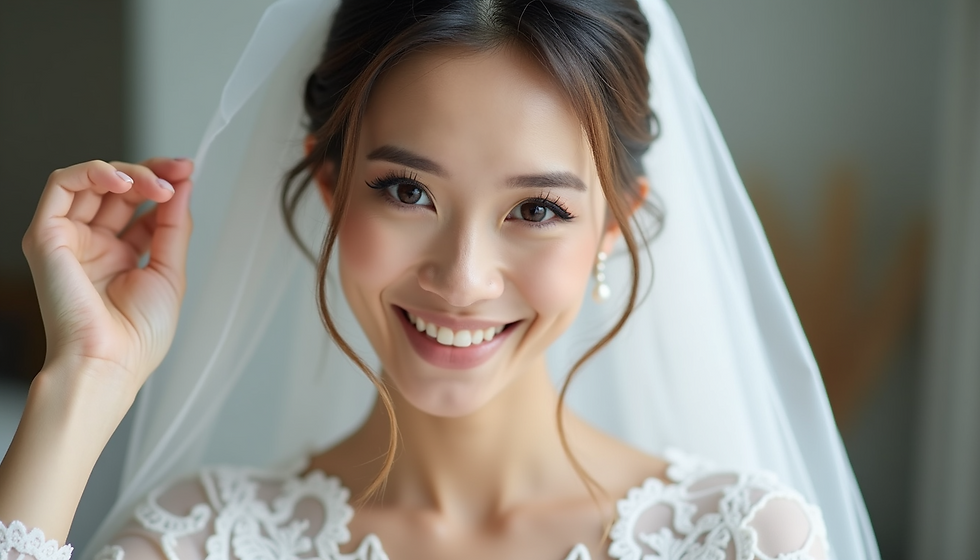
Think about a wedding day. Instead of just photographing the bride and groom standing still, storytelling photography captures the laughter during a toast, the tearful hug between family members, or the joyful dance moves late into the night. These moments speak volumes and create a richer, more authentic memory.
Here are some key storytelling photography techniques I use:
Observe and anticipate: Watch for moments before they happen. A glance, a gesture, or a reaction can tell a story.
Use natural light: It adds warmth and realism to your photos.
Capture details: Sometimes, a close-up of hands holding or a meaningful object can tell a story better than a wide shot.
Include the environment: The setting adds context and depth to the story.
Stay unobtrusive: Blend into the background to capture genuine moments without interruption.
By applying these techniques, you invite viewers to step into the scene and feel the emotions firsthand.

Storytelling Photography Techniques in Action
Let me share a few examples of how storytelling photography techniques come to life. Imagine a local festival in Indiana. Instead of just photographing the stage or the crowd, I focus on the little stories happening around:
A child’s wide-eyed wonder as they watch a puppet show.
An elderly couple sharing a quiet moment on a bench.
The hands of a vendor exchanging goods with a customer.
Each of these images tells a unique story about the community’s spirit and connection. Using storytelling photography techniques, I aim to capture these moments naturally, without staging or interrupting the flow.
Another example is a family reunion. Instead of forcing everyone to pose, I let the day unfold. I capture the spontaneous laughter during a game, the warm hugs, and even the quiet moments of reflection. These images become a visual diary of the day, full of life and emotion.
If you’re planning to try this yourself, here are some tips:
Be patient: Great stories don’t always happen instantly. Wait for the right moment.
Use a zoom lens: It helps you stay at a distance and capture candid shots.
Shoot in continuous mode: This increases your chances of catching the perfect expression.
Engage with your subjects: Build trust so they feel comfortable being themselves.
By practicing these techniques, you’ll find your photos becoming more meaningful and engaging.
What are the three types of photography?
Photography is a vast field, but it generally breaks down into three main types, each with its own focus and style:
Portrait Photography
This type centers on capturing the personality and mood of an individual or group. It often involves posed shots but can also include candid moments. The goal is to reveal something unique about the subject.
Landscape Photography
Here, the focus is on natural or urban environments. It captures the beauty, scale, and atmosphere of a place. Lighting, composition, and timing are crucial to creating stunning landscape images.
Documentary Photography
This is where storytelling photography techniques shine. Documentary photography aims to tell real stories through images, often highlighting social issues, events, or everyday life. It’s about authenticity and truth, capturing moments as they happen without interference.
Understanding these types helps you decide which approach fits your vision. For those wanting to tell stories through images, documentary photography and its subset, reportage style photography, offer a compelling path.

How to Start Practicing Storytelling Photography Techniques
Starting with storytelling photography techniques might feel overwhelming, but it’s easier than you think. Here’s a simple roadmap to get you going:
Choose your story: What do you want to capture? A family gathering, a community event, or a day in your life?
Research and plan: Understand the environment and people involved. This helps you anticipate moments.
Gear up: A camera with a versatile lens (like a 24-70mm) is great for flexibility.
Be ready to move: Stay alert and mobile to catch spontaneous moments.
Shoot with intention: Think about the story you want to tell with each shot.
Review and reflect: After your shoot, look at your images and see if they convey the story you intended.
Remember, the goal is not perfection but authenticity. The beauty of storytelling photography lies in its imperfections and realness.
Why Choose Reportage Style Photography for Your Next Project?
If you want to capture life as it truly is, reportage style photography is a fantastic choice. This style is all about being a fly on the wall, documenting events and moments without staging or directing. It’s perfect for weddings, community events, family gatherings, and any occasion where genuine emotion and interaction matter most.
By choosing this approach, you get images that feel alive and spontaneous. They tell a story that’s uniquely yours, full of unscripted moments that bring memories back to life every time you look at them.
At BeTru Photography, we specialize in this style because it aligns with our mission to empower local initiatives and capture meaningful life moments across Indiana. We believe every story deserves to be told with honesty and heart.
I hope this guide inspires you to explore storytelling photography techniques and see the world through a more narrative lens. Whether you’re behind the camera or in front of it, embracing this approach can transform how you experience and remember life’s precious moments. Happy shooting!


Comments